
Ultimate Guide to Choosing the Best Ergonomic Office Chairs for Comfort and Productivity

Sitting for long hours at a desk can take a toll on your body and focus. Choosing the right chair can make a big difference in how comfortable you feel and how well you work. Ergonomic office chairs are designed to support your body, reduce strain, and help you stay productive throughout the day. This guide will walk you through what to look for when selecting an ergonomic chair and how it can improve your workplace productivity and office wellness.

What Makes a Chair Ergonomic?
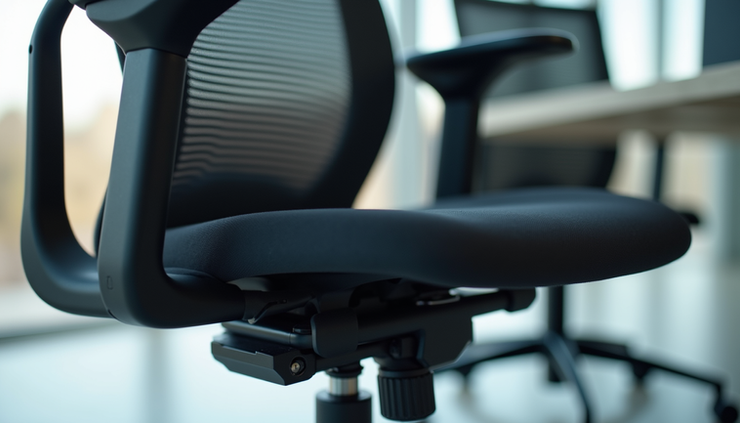
An ergonomic chair supports your body in a natural position. It reduces pressure on your spine, encourages good posture, and adapts to your movements. Here are key features to consider:
Adjustable seat height: Your feet should rest flat on the floor with knees at a 90-degree angle.
Lumbar support: Proper lower back support prevents slouching and reduces back pain.
Seat depth and width: The seat should support your thighs without pressing behind your knees.
Adjustable armrests: Armrests should support your arms without raising your shoulders.
Recline and tilt: A chair that tilts allows you to change positions and reduce fatigue.
Breathable material: Mesh or fabric that allows airflow keeps you cool during long hours.
These features work together to maintain comfort and reduce the risk of musculoskeletal problems.
How Ergonomic Chairs Boost Workplace Productivity
Comfort directly affects how well you focus and perform tasks. Sitting in a poorly designed chair can cause discomfort, leading to frequent breaks and lower concentration. Ergonomic office chairs help by:
Reducing fatigue: Proper support means less muscle strain and tiredness.
Improving posture: Good posture helps maintain energy and reduces headaches or neck pain.
Encouraging movement: Features like tilt and swivel promote small movements that increase circulation.
Supporting longer focus: When you feel comfortable, you can work longer without distraction.
A study published in the Journal of Occupational Health found that workers using ergonomic chairs reported a 17% increase in productivity and a 20% decrease in discomfort compared to those using standard chairs.
Choosing the Right Chair for Your Needs
Not all ergonomic chairs are the same. Your choice depends on your body type, work habits, and budget. Here are some tips to find the best fit:
Test before buying: Sit in the chair for at least 10 minutes to check comfort and adjustability.
Consider your height and weight: Some chairs are designed for taller or heavier individuals.
Look for certifications: Chairs certified by organizations like BIFMA meet safety and ergonomic standards.
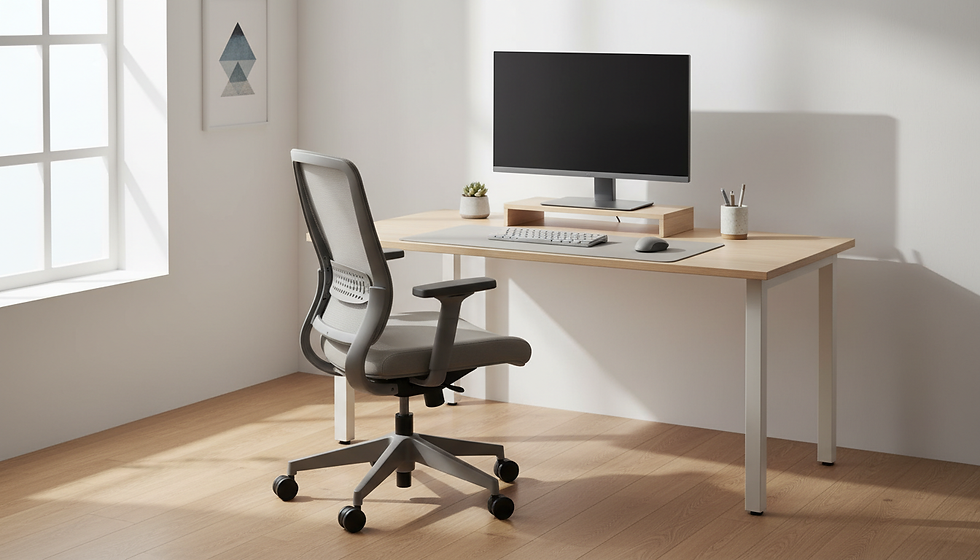
Think about your workspace: Measure your desk height and available space to ensure compatibility.
Set a budget: Quality ergonomic chairs range from affordable to premium prices. Investing in a good chair can save on health costs later.
Maintaining Office Wellness with Ergonomic Seating
Office wellness goes beyond just the chair. It includes how you use it and your overall habits. To get the most from your ergonomic office chair:
Adjust your chair daily: Make sure settings match your current posture and tasks.
Take breaks: Stand, stretch, or walk every 30 to 60 minutes to reduce stiffness.
Use accessories if needed: Footrests, seat cushions, or monitor stands can complement your chair.
Stay mindful of posture: Keep your back straight, shoulders relaxed, and avoid leaning forward.
Combining ergonomic seating with healthy habits supports long-term comfort and productivity.


Comments